
Psychotherapy
Individual Psychotherapy

Psychotherapy is a form of treatment that focuses on improving an individual’s mental and emotional well-being. It involves a collaborative process between a trained therapist or counselor and a client, with the goal of addressing psychological issues, emotional difficulties, and behavioral patterns that may be causing distress or interfering with daily functioning.
The main objective of psychotherapy is to promote positive change, personal growth, and overall psychological health. It provides a supportive and non-judgmental environment where individuals can explore their thoughts, feelings, and behaviors, gain insight into their experiences, and develop effective coping strategies.
I usually offer open ended psychotherapy, meaning there is no fixed number of sessions. An initial consultation is often necessary to identify the areas of concerns and formulate the appropriate treatment plan. The sessions are usually held on weekly basis and last for 50min. The psychotherapy process is based on different approaches that can include Psycho-Organic analysis, CBT, DBT and Sophrology.
Psychotherapy can be helpful in treating a wide range of mental health conditions, including anxiety disorders, depression, post-traumatic stress disorder (PTSD), obsessive-compulsive disorder (OCD), eating disorders, substance abuse, and relationship problems. It can also be beneficial for individuals experiencing life transitions, grief and loss, low self-esteem, stress management, and other personal challenges.
Couple’s Psychotherapy
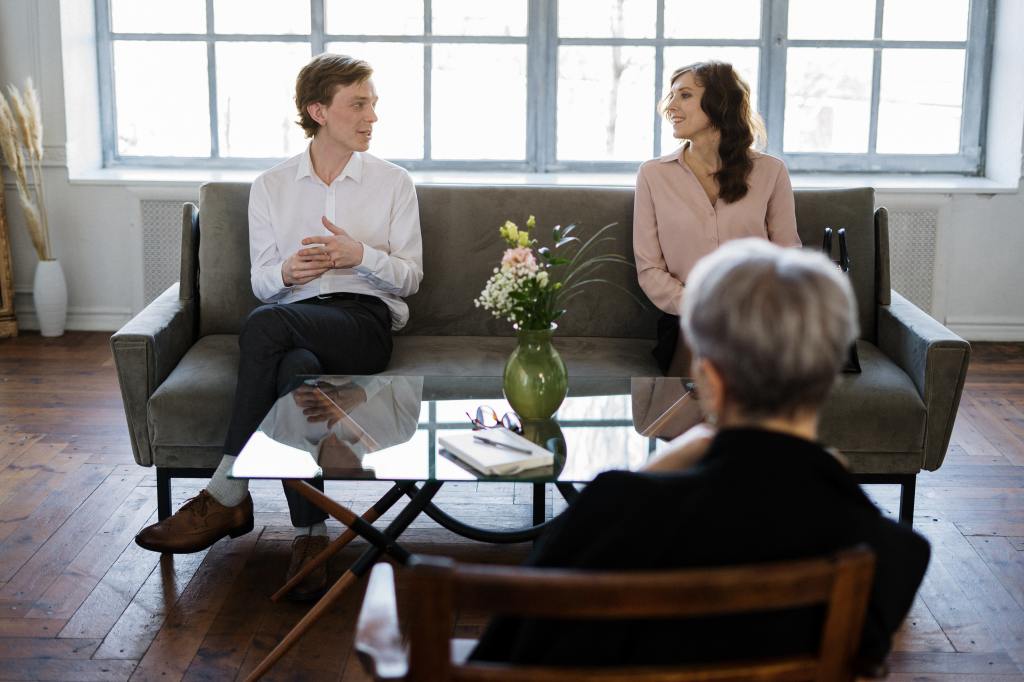
Couple’s psychotherapy focuses on improving the relationship dynamics and resolving conflicts between two individuals in a romantic partnership.
The primary goal of couple’s psychotherapy is to enhance communication, increase understanding, and foster healthier patterns of interaction between partners. It provides a safe and supportive environment where couples can explore their feelings, thoughts, and concerns while working towards solutions.
During the sessions, the therapist works collaboratively with both individuals in the relationship, and helps identify problematic areas in the relationship and assists the couple in developing effective strategies to address these challenges. This may involve exploring underlying emotions, patterns of behavior, and beliefs that contribute to conflict and dissatisfaction.
An initial assessment phase is often necessary before the start of the therapy. This assessment is done with the couple and sometimes with each individual alone. A therapy plan is then conceived and can be set for 3, 5 or 10 sessions depending on the couple’s needs. Sessions are held once a week or once every 2 weeks.
Couples seeking therapy may be dealing with a wide range of issues, such as communication problems, trust issues, conflicts around finances or parenting, sexual difficulties, infidelity, or a general sense of disconnection. The therapist provides guidance, facilitates productive dialogue, and helps couples develop skills to improve their relationship satisfaction and overall well-being.
It’s worth noting that couple’s psychotherapy is not solely limited to addressing problems within the relationship. Some couples also choose to undergo therapy as a preventive measure or to enhance an already healthy relationship, aiming to strengthen their bond and develop stronger coping skills for future challenges.
Overall, couple’s psychotherapy offers an opportunity for couples to work together towards a healthier, more fulfilling relationship by addressing conflicts, improving communication, and fostering mutual understanding and support.
 Integrative Psychotherapy and Personal Development